Answering common health questions parents ask before preschool in California
Getting your child ready for preschool can be overwhelming, especially when it comes to organizing all of their health information.
You may be wondering about food allergies, medications, vaccinations, toilet training, and which health forms they need.
Most importantly, you’re not alone. While different programs have different health requirements, open communication with your child’s teachers and health team can help answer questions and address concerns along the way.
For 45 years, Options for Learning has guided parents with all the health information they need to help their child with a smooth transition into the classroom.
Keep reading to learn answers to some of the most common health questions California parents tend to ask before their child starts preschool, including:
1. What vaccinations does my child need before preschool?
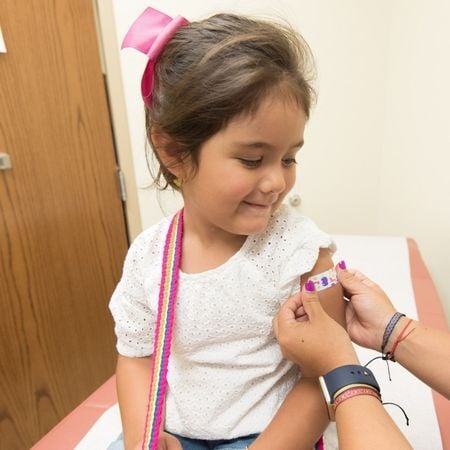 While different states have varying vaccination requirements, California law requires most preschools to collect children’s immunization records and ensure they are up to date.
Vaccinations help the body’s immune system recognize and respond to certain diseases, helping protect children from serious illness.
Between 1994 and 2023, routine childhood vaccinations prevented approximately 509 million cases of illness and 32 million hospitalizations.
Before a child aged 2 through 5 starts an early learning program in California, they need to have the following vaccinations completed by a physician:
-
3 polio doses
-
4 doses of the DTaP vaccine (protecting against diphtheria, tetanus, and pertussis)
-
3 doses of the Hepatitis B vaccine
-
1 dose of the Varicella vaccine
-
At least 1 dose of the Hib vaccine administered on or after a child’s first birthday (protecting against Haemophilus influenzae type B disease, a bacterial infection which can cause pneumonia, severe swelling in the throat, and meningitis)
-
At least 1 dose of the MMR vaccine administered on or after a child’s first birthday (protecting against measles, mumps, and rubella)
Although these are the standard vaccination requirements in California, some preschool programs may have additional health or enrollment requirements.
If families have any questions about immunization exemptions, a pediatrician or licensed medical provider will explain the available options.
2. Does my child need a physical exam before starting preschool?
For many preschool programs, children need to have a physical examination before starting school.
A physical exam, usually done annually by your pediatrician, often involves:
-
A complete physical examination
-
Vital signs and growth measurements
-
Vision and hearing screening
-
Heart and lung assessment
-
Musculoskeletal evaluation
-
Mental health and behavioral screening
-
Immunization review and updates
-
Completion of all required school forms
Many programs, including Options for Learning, collect physical and dental exam records annually to support children’s health and well-being.
“Annual checkups are about physical health, preventative medicine, and mental health,” Gina Robinson, MD, a pediatrician for Cleveland Clinic Children’s, shared.
As your child grows, having a strong relationship with your pediatrician can help you stay informed and address health-related questions or concerns as they arise.
3. Can my child take their medication in their preschool program?
 To administer medication, whether over-the-counter or prescribed, many preschool programs require parents to disclose the necessary information on a form before their child starts preschool.
Usually, the information needed includes how often the medication is required, emergency contact information, and the steps to take the medication.
California law requires that staff have written authorization and instruction from the child’s representative. For prescription medication, the instructions must be consistent with the label directions as prescribed by the child’s physician. For a nonprescription medication, the instructions must be consistent with the directions on the product label.
While teachers are also allowed by law to administer procedures such as blood glucose testing and inhaled medications to children, the teachers must be registered with the State Department of Health Services.
Connect with your child’s preschool to learn more about its medication policies and requirements.
4. Can my child attend preschool with a medical condition or allergy?
Many preschool programs can support children with medical conditions or allergies.
Programs usually require parents to notify the school of any medical conditions or allergies, including food allergies, right away, as specific documentation must be provided. For example, for food allergies, such as a peanut allergy, teachers need a doctor’s documentation to have all the necessary information.
Several preschool programs, including Options for Learning, strive to create inclusive, supportive environments where all children can learn and thrive, and where their individual needs are known and met.
5. What happens if my child gets sick while at preschool?
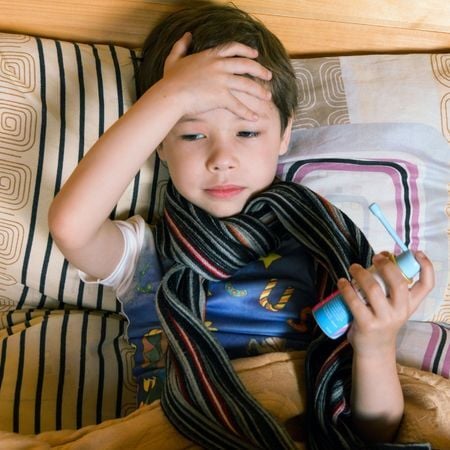 It’s natural to worry about your child getting sick when they begin spending time in a new environment.
Whether it’s a viral infection or lice, teachers do the best they can to notify families of exposures and keep things clean and sanitary.
Because young children are still building their immune systems, illnesses are common in early childhood settings, and preschool staff are familiar with following established health protocols.
If your child gets sick at school, staff will typically follow the program’s health procedures, which may include monitoring symptoms and contacting a parent or guardian to pick up a child if needed.
Germs do spread fast, so if you notice your little one with any respiratory illness symptoms (cough, runny nose, or sore throat), a fever, diarrhea, or vomiting, it’s best to keep your child home until they are feeling better. Most programs require children to be fever-free for 24 hours before returning to school.
Have more health-related questions before your child starts preschool?
Whether you’re gathering health records, scheduling required exams, or learning about available support, Options for Learning is here to help.Connect with one of our education advisors to learn more about the programs and resources available to your family.
Frequently asked questions
Who should I contact if I have questions about my child’s health requirements?
Contact your child’s preschool directly. Staff can explain health forms, immunization requirements, medication policies, and other program-specific requirements.
What should I do if my child’s health information changes?
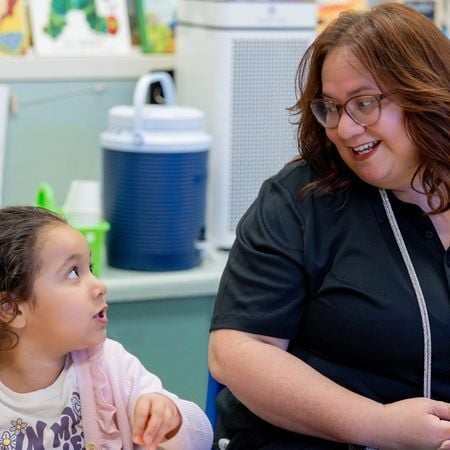 Notify your child’s preschool as soon as possible of any changes to medications, allergies, emergency contacts, or medical providers.
Can my child attend preschool if they have ongoing health needs?
Many preschool programs can work with families to support children with ongoing health needs. Speak with your child’s preschool to learn about available accommodations and requirements.
