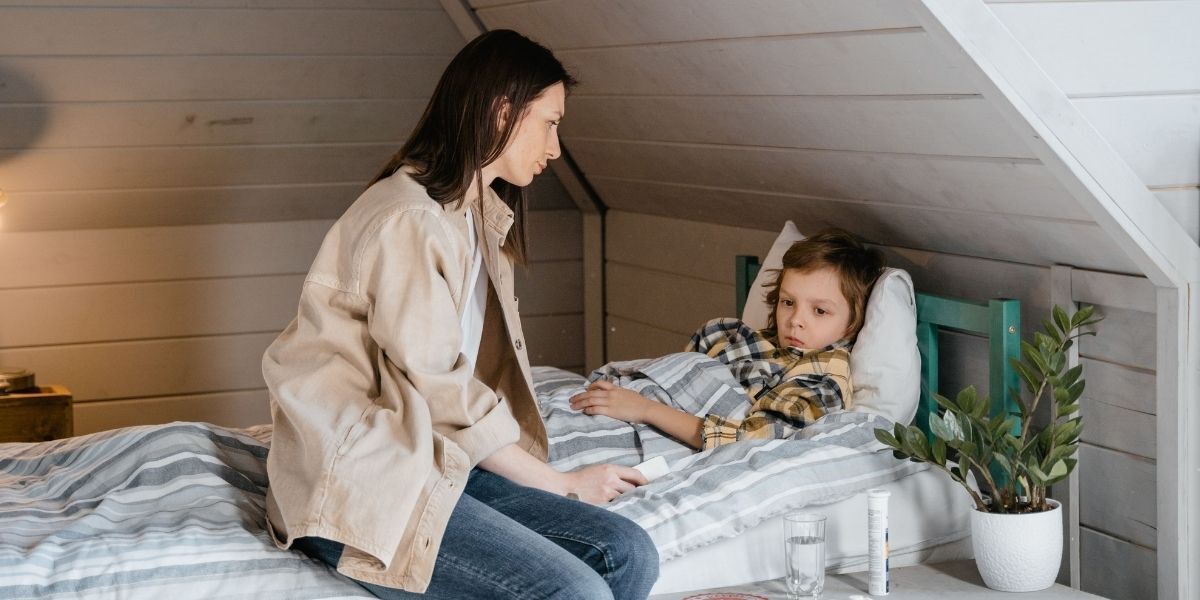
With the school year underway and cold and flu season around the corner, there is a greater chance of your little one being exposed to more viruses.
Since their immune systems are still developing, children are more prone to illness, which is why it’s so important for parents to know what viruses are common around this time of year.
For more than 45 years, Options for Learning has supported children and families in the San Gabriel Valley through early learning resources, including a dedicated Health Services department.
Options for Learning’s Health Services team provides comprehensive services to help parents better understand their child’s health, offer referrals to community organizations, and help parents stay current on their children’s health care and immunization schedules.
Keep reading on to learn more about some of the most common toddler and preschool illnesses you should be aware of this fall, including:
-
Hand, Foot, and Mouth Disease
-
Head lice
-
Common cold
-
Influenza (flu)
-
Respiratory syncytial virus (RSV)
-
Pink eye
-
Norovirus
1. Hand, Foot, and Mouth Disease
Most common in children under 5, Hand, Foot, and Mouth Disease (HFMD) causes fever, mouth sores, and a skin rash.
While it can spread quickly in schools and day care centers through coughing, sneezing, and close contact with others and/or infected objects or surfaces, most children recover on their own within 7 to 10 days.
Some common signs and symptoms include:
-
Fever
-
Sore throat
-
Painful mouth sores that blister
-
Rash commonly found on the hands and feet
Since the recovery is usually quite quick, treatment options focus on managing pain, reducing fever, and preventing dehydration.
Children are encouraged to return to school as long as they have had no fever for 24 hours, do not have uncontrolled drooling with their mouth sores, and no longer have active blisters (they have fully scabbed over).
To prevent Hand, Foot, and Mouth Disease, the Centers for Disease Control and Prevention (CDC) recommends washing your hands with soap and water, avoiding touching your face, cleaning and disinfecting shared surfaces and items, and avoiding close contact with an infected person.
2. Head lice
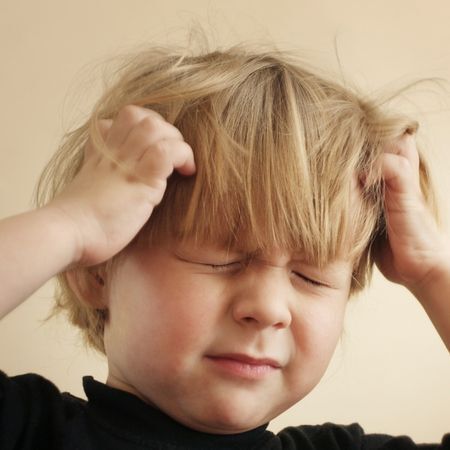 Head lice is still very common among preschool and elementary-aged children. Head lice are parasitic insects that usually live on your scalp, but sometimes people can also find them on their eyebrows and eyelashes.
Head lice usually spread through direct contact with the hair of a person infested with lice, especially when children play at places like parks or school playgrounds.
According to the CDC, the United States sees up to 12 million head lice infestations annually in children between 3 and 11 years old.
While some people are asymptomatic, itching is a common symptom, typically occurring four to six weeks after infestation.
Other symptoms include:
-
A tickling feeling or a sensation of something moving in the hair
-
Irritability and sleeplessness
-
Sores on the head caused by scratching
There are ways to care for and get rid of your child’s lice at home. Contact your pediatrician for guidance.
Although lice spread quickly, there are ways to help prevent them in children, including avoiding:
-
Head-to-head contact during play and other activities
-
Sharing clothes such as hats, scarves, coats, or hair ribbons
-
Sharing combs, brushes, or towels
- Sharing car seats
-
Lying on beds, couches, pillows, carpets, or stuffed animals that have recently been in contact with a person infested with lice
If your child is experiencing any symptoms, notify your school and teachers right away so they can take precautions in the classroom. Many schools, including Options for Learning, have a Head Lice and nit-free policy and send notifications to families about any exposure to ensure the classroom environment is healthy and safe for all children.
3. Common cold
Children who attend childcare programs may experience six to eight colds each year. A common cold, also known as an upper respiratory infection, is caused by a virus that inflames the lining of the nose and throat.
Whether it is coming into contact with someone who is sneezing or coughing, or touching contaminated surfaces at school, children can start experiencing cold symptoms one to three days after exposure. These symptoms can include:
-
Fussiness
-
Stuffy nose (nasal congestion)
-
Fever
-
Mild hacking cough
-
Achy muscles and bones
-
Chills
While there is no cure for the common cold, there are ways to help your child feel better at home, such as using honey and a humidifier. However, if symptoms continue to worsen or last for more than 10 days, contact your child’s healthcare provider.
To help prevent a cold, try to keep your child away from others who are symptomatic and have your children wash their hands often.
4. Influenza (flu)
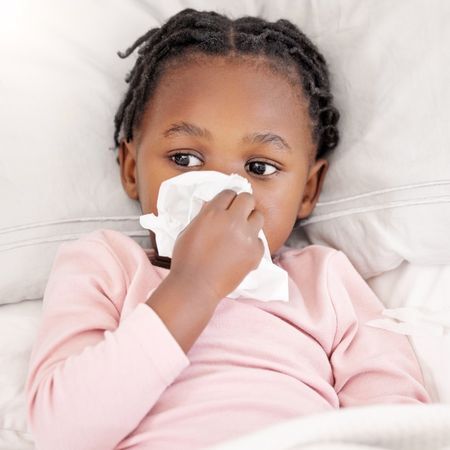 Although it can seem similar to a cold, influenza, otherwise known as the flu, is also a contagious viral infection that affects the air passages of the lungs. Even though it is common, especially during the fall and winter, it is more severe than a cold and may need a different treatment.
Some common symptoms of the flu in your child could be:
-
Fever as low as 100.4 degrees
-
Body aches
-
Headache
-
Sore throat
-
A cough that gets progressively worse
-
Tiredness
-
Runny or stuffy nose
-
Nausea
-
Vomiting
-
Diarrhea
If your child has any of the above symptoms, talk with your pediatrician or chosen healthcare provider to help decide treatment options.
The best way to prevent the flu is through a yearly flu vaccine, which is usually given as a shot in the thigh muscle for babies and young children and given as a shot in the upper arm muscle for older children. (The vaccine is also available as a nasal spray for healthy children over the age of 2.)
In a 2026 study, researchers found that for every 100 children between the ages of 2 and 5 who receive the vaccine in a given flu season, there are between nine and 14 fewer cases of the flu in that age group.
5. Respiratory syncytial virus (RSV)
Respiratory syncytial virus, or RSV, is a common respiratory virus that usually causes mild, cold-like symptoms. Although it can be hard to differentiate RSV from a common cold, some ways to tell if your child has RSV and not a cold are:
-
If their symptoms are more severe
-
Examples include more wheezing, shortness of breath, labored breathing, or higher fevers
-
-
If it sticks around longer
-
Colds usually clear up on their own within seven to 10 days, but RSV can last even longer than two weeks
-
“The common cold typically doesn’t extend beyond the initial infection. But RSV can lead to complications like pneumonia or bronchiolitis, especially in high-risk groups,” Dr. Rose Giacomini, DO, explained to Hartford HealthCare Medical Group.
Ultimately, it is hard to know for sure if your child has a cold or RSV, which is why seeking medical advice is strongly encouraged.
To prevent RSV in children, make sure your child washes their hands often, maintains a clean environment, and avoids contact with anyone who is sick.
6. Pink eye
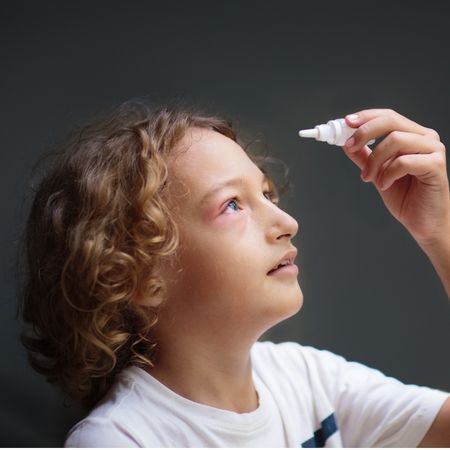 Pink eye, also called conjunctivitis, is caused by an infection or irritation of the conjunctiva, or the whites of the eyes. When the tissue becomes inflamed, it leads to redness and irritation.
Pink eye is broken down into three categories: viral, bacterial, and allergic. However, viral pink eye is the most common in children and is also accompanied by symptoms such as a runny nose, cough, and sore throat.
Viral pink eye usually goes away on its own without treatment; however, if it is caused by bacteria, it may be treated with antibiotic eye drops or ointment.
Even though viral pink eye is contagious during the first three to five days, it typically only lasts seven to 14 days.
To prevent pink eye, doctors recommend:
-
Washing your hands often
-
Avoiding touching your eyes
-
Not sharing personal items like towels or washcloths
-
Washing linens frequently
-
Managing contact lenses safely
7. Norovirus
Also known as the “stomach flu” or the “stomach bug,” norovirus is a contagious virus that causes vomiting and diarrhea. It typically spreads through direct contact with someone who is sick, by eating contaminated food or drinking contaminated liquids, or by touching contaminated objects or surfaces.
Symptoms usually develop around 12 to 48 hours after being exposed and include:
-
Diarrhea
-
Vomiting
-
Nausea
-
Stomach pain
-
Fever
-
Headache
-
Body aches
To help prevent the spread of norovirus, children should continue to wash their hands with soap and water, eat only washed fruits and vegetables, and stay home for at least two days after symptoms stop.
What should parents do next?
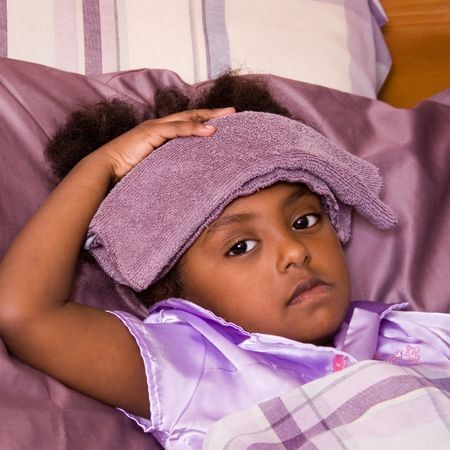 Now that you know the signs and symptoms of some of the most common illnesses children experience during the fall, your next step is to pay attention to changes in your child’s health, communicate with your child’s teacher or childcare program when concerns arise, and contact your healthcare provider if symptoms worsen or do not improve. Staying informed can help children recover more comfortably while reducing the spread of illness to others.
Looking for more health and safety information?
Options for Learning’s Health Services team works behind the scenes to help keep children healthy, safe, and ready to learn. From health screenings and medication plans to illness prevention and family education, our team is here to support children and families throughout the year.
Click here to learn more about Options for Learning’s programs and the family resources available through our Health Services team.
Frequently asked questions
Why do children seem to get sick more often after starting childcare or preschool?
It’s very common for children to get sick more often when they first start preschool or childcare. Young children are being exposed to new environments, new germs, and many other children while their immune systems are still developing.
When should my child stay home?
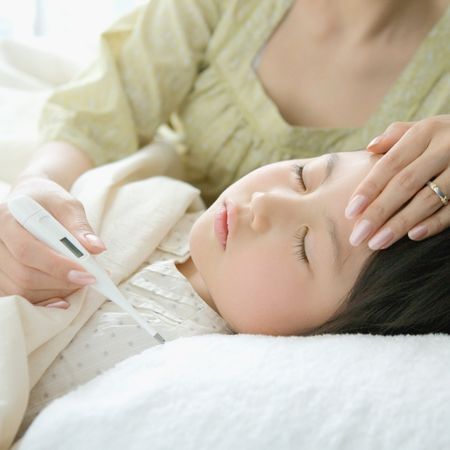 In general, children should stay home if they have symptoms that could easily spread to other children or prevent them from participating comfortably in daily activities.
Some common reasons to keep your child home include:
-
A fever of 100.4 degrees or higher
-
Vomiting
-
Diarrhea
-
Uncontrolled coughing
-
Symptoms that make it difficult for them to participate in normal classroom activities
Families should also follow return-to-care guidance provided by their child’s preschool or childcare program. Many programs require children to be:
-
Fever-free for 24 hours without fever-reducing medication
-
Vomiting-free for 24 hours
-
Diarrhea-free for 24 hours
What should I do if my child is exposed to an illness at school?
Stay in communication with your child’s program and monitor for symptoms. Many childcare programs notify families when there has been an exposure and provide guidance on which signs to watch for and when children may safely return to care.
