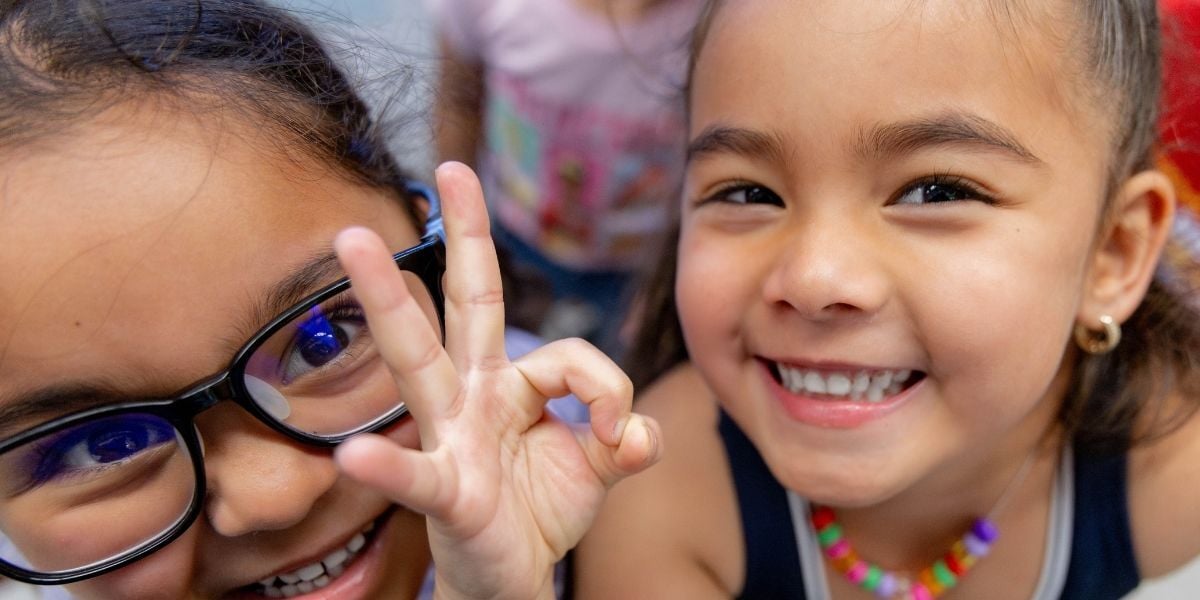
Sometimes, it can feel like your child only works on managing emotions and communication skills at school.
However, there are many simple ways to support your toddler’s social-emotional development at home, including establishing predictable routines, naming and validating emotions, modeling healthy coping skills, reading books about feelings, encouraging play, and providing opportunities to practice problem-solving and social skills.
Most importantly, remember that your child doesn’t need a perfect parent; they need a loving parent who helps them feel safe, understood, and supported!
Since 1981, Options for Learning has supported children and families in the San Gabriel Valley with infant, toddler, preschool, and before- and after-school care, as well as family support resources.
In this article, you will learn what social-emotional learning means and ideas to support your child at home, including:
What is social-emotional learning
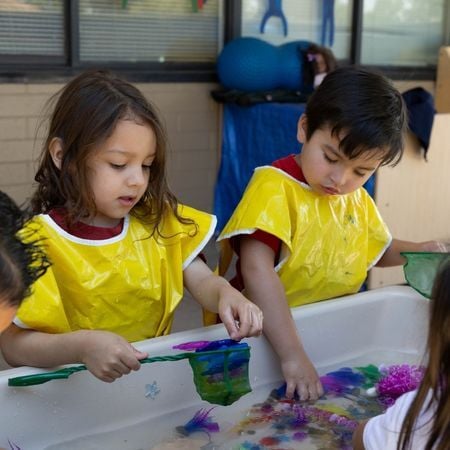 You’ve probably heard the term “social-emotional learning,” but what does it mean exactly, and why is it so important for your child?
Social-emotional learning refers to how children acquire social and emotional skills, including managing difficult emotions, making responsible decisions, handling stress, setting goals, and building healthy relationships.
There are usually five main categories that make up social-emotional learning:
-
Self-awareness
-
Social awareness
-
Responsible decision-making
-
Self-management
-
Relationship skills
Developing social-emotional skills early in life is important because it can support children’s mental health, relationships, and future learning.
Children with strong social-emotional skills tend to be happier, show greater motivation to learn, have a more positive attitude toward school, more eagerly participate in class activities, and demonstrate higher academic performance than less mentally healthy peers. Meanwhile, children who exhibit social and emotional difficulties tend to have trouble following directions and participating in learning activities.
Ideas for supporting your child’s social-emotional development at home
1. Naming and validating feelings
One thing toddlers often struggle with is learning to manage big emotions such as frustration, anger, and hurt. With support from caring adults, children can begin learning how to recognize, express, and manage these emotions from an early age.
Instead of offering a long explanation, simply naming their emotion can help a child feel understood and validated.
For example, saying “you’re feeling angry” to your two-year-old who is upset could help reduce some of the distress that is causing their reaction.
Plus, when you name and identify your child’s emotions, you’re teaching them not just the words for feelings but also how to recognize those feelings in themselves.
2. Establishing predictable routines
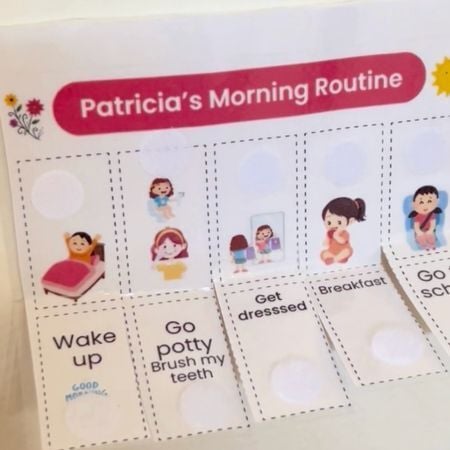 Just as routines can help adults feel organized and prepared, they can help children feel safe and secure.
For example, you could have a set morning routine for your little one that includes:
-
Waking up
-
Getting dressed
-
Brushing teeth
-
Eating breakfast
-
Leaving for school
Consider using visuals to help children understand and follow routines more easily.
Additionally, notify your child of any changes in the routine, such as doctor appointments or an upcoming family gathering.
Having these stable routines allows toddlers to anticipate what will happen next and continue to learn positive, responsible behavior.
3. Reading books that explore emotions and relationships
In addition to naming the emotions your child is experiencing, reading books that explore emotions, relationships, and problem-solving can support your child’s social-emotional development.
Look for books that help children recognize emotions, navigate relationships, solve problems, and talk about their feelings in an age-appropriate way.
Some examples include:
-
The Rabbit Listened by Cori Doerrfeld (available in English and other languages)
-
The Color Monster by Anna Llenas (available in English and other languages)
-
I Calm Down by Cheri J. Meiners (available in English and Spanish)
-
The Feelings Book by Todd Parr (available in English and other languages)
-
The Very Hungry Caterpillar by Eric Carle (available in English and other languages)
4. Encouraging independent play
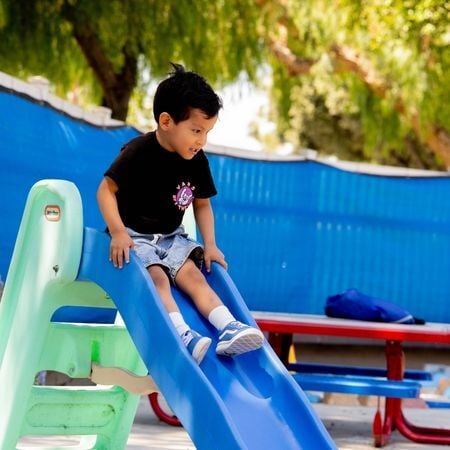
While playing with your children is a valuable bonding experience, giving them opportunities to play independently can help build confidence.
Even 5-10 minutes of independent play each day can help children develop greater resilience and problem-solving skills.
“Not being protected, supervised by adults, is where children learn how to take charge of their own lives. It’s where they learn how to solve problems. It’s where they learn how to make friends,” psychologist Peter Gray said.
Some ways to encourage independent play include:
-
Letting your child choose the activity (blocks, puzzles, toy animals, pretend kitchen sets, etc.)
-
Creating a simple play space (designate a small selection of toys that are easy for your child to access themselves)
-
Resisting solving every problem (if a tower falls over or a puzzle piece won’t fit, don’t try to fix it immediately)
-
Rotating toys periodically to maintain interest and curiosity
-
Building independent play into your own daily routines (while you are folding laundry, cooking dinner, or unloading groceries)
5. Celebrating efforts and persistence
Another way to support your child’s social-emotional development is to celebrate effort, persistence, and growth, even when mistakes happen. Doing so helps children focus on the learning process rather than only the outcome.
Learning to reward their effort teaches your child that it’s okay to make mistakes and learn from them.
When parents praise their child’s effort rather than their personal qualities, their child is more likely to show greater persistence and performance on challenging tasks.
There are many ways to celebrate your child’s efforts and persistence, including:
-
Verbal praise (e.g., “You worked hard on building that tower of blocks”)
-
Showcasing children’s artwork, certificates, and photos in a dedicated space (e.g., a success wall or milestone board)
-
Creating an achievement jar filled with notes of praise
-
Having a “progress chart” for milestones
-
Incorporating rituals like high-fives, dance celebrations, or special ceremonies
Looking for more ways to support your child’s growth?
 At Options for Learning, we believe that families are a child’s first and most important teachers. Through early learning programs, family support services, and developmental resources, we partner with families to help children build the confidence, emotional skills, and relationships they need to thrive.
If you’d like to learn more about the programs and resources available to families in the San Gabriel Valley, connect with one of our educational advisors to explore all your options.
Frequently asked questions
Is it normal for toddlers to have difficulty managing their emotions?
Yes. Toddlers are still learning to recognize, express, and manage big feelings. Frustration, disappointment, and emotional outbursts are all common parts of development as children build communication and self-regulation skills.
Do children learn social-emotional skills only at school?
 No. Children build social-emotional skills through everyday interactions with caring adults. Whether you’re reading together, talking about feelings, playing, or following daily routines, you are helping your child develop important emotional and relationship skills.
When should I seek additional support?
Every child develops at their own pace. However, if you have ongoing concerns about your child’s behavior, emotional development, or ability to interact with others, consider speaking with your child’s teacher, pediatrician, or another trusted professional. Asking questions early can help families better understand their child’s needs and access helpful resources and support.
