Starting kindergarten is a big step. Not surprisingly, many parents and caregivers wonder if their child is “ready.” Should they know their ABCs by heart? Be able to read or write?
The reality is that there are no universal guidelines for determining whether a child is “ready.”
While different states have specific requirements, in California, the only real requirement is that your child start school by age 6.
Even without set guidelines, building academic, social, and emotional skills before kindergarten can help children feel more confident and comfortable as they enter a structured school environment.
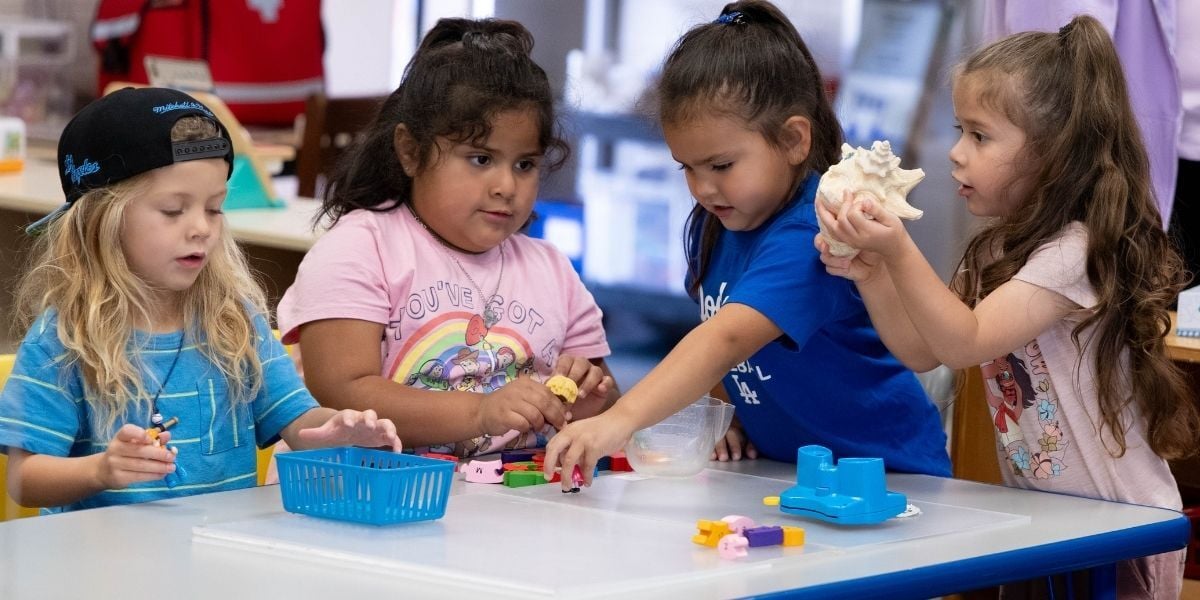
For 45 years, Options for Learning has been helping 11,000 children a year in the San Gabriel Valley through preschool programs, support for TK-age children, and before- and after-school programs. All of these programs help introduce children to the structure, skills, and tools they’ll need in kindergarten and beyond.
While kindergarten readiness can look different for every child, in this article, you will learn:
-
One of the biggest misconceptions about kindergarten readiness
-
Skills that are helpful for children to have before they are ready for kindergarten, including:
One of the biggest misconceptions about kindergarten readiness
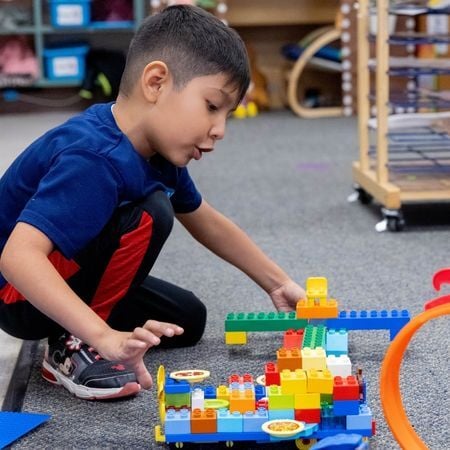 Under California law, a child must be enrolled in school by age 6, so why is there the belief that children need to know everything before kindergarten?
Parents often feel pressure to ensure their child enters kindergarten ready to excel academically. The truth is, all children learn and develop throughout kindergarten and beyond, no matter where they begin.
Monica Velasquez, a preschool teacher at Options for Learning, shared that kindergarten might look a little different, but parents shouldn’t feel overwhelmed about their child not knowing everything yet.
“They are going to learn in kindergarten, and I think that parents feel pressured, and they think, ‘My child has to know this for kindergarten,’” she said. “But I always try to tell them, the children are going to learn [in preschool], and when they get to kindergarten, they’re going to learn more.”
You’re not failing as a parent if your child doesn’t know their alphabet yet or can’t read. Those are skills children continue developing throughout school, and often on individual timelines.
While it’s valuable to expose your child to the alphabet, writing skills, and social skills in a preschool or pre-kindergarten program, there are no strict guidelines on things your child must know before starting kindergarten.
According to the Behavior, Health, and Inclusion team at Options for Learning, for success in school, what really matters is a child’s ability to manage their emotions, communicate their needs, follow simple routines, solve problems, bounce back after disappointment, and build positive relationships with teachers and other children.
These self-help and social-emotional skills help children build confidence, form relationships, and adapt to new learning environments.
Skills that can help children feel more comfortable entering kindergarten
Even though there are no set things your child must know before kindergarten, there are some foundational skills your child can work on in preschool, a pre-kindergarten program, or even at home to make them feel more comfortable heading into a more structured school environment.
Self-help and independence
Parents want their child to be independent and able to problem-solve or make decisions on their own.
Even as adults, we constantly rely on the skills we learned when we were young to take care of ourselves, including tying our shoes, making our lunch, washing dishes, and weighing the pros and cons of situations. Learning these skills early can set children up for a lifetime of success.
In her preschool classroom, Options for Learning teacher Monica Velasquez gives her students little jobs to help them build their confidence and independence, such as setting the table for breakfast, helping the teacher put away things, or feeding the school pet.
“It really boosts their confidence, and then we make a point to acknowledge, ‘Oh, I see you were able to do this today,’” she explained.
Developing self-help and independence skills can help make the transition to kindergarten feel smoother and less overwhelming for children.
Ways you can encourage independence at home
If your child is not enrolled in a preschool or pre-K program, there are still ways they can develop independence at home! Try these activities with your child:
-
Playing independently, where they are not being directed by adults
-
Dressing and putting on their own shoes
-
Washing their hands without assistance
-
Going to the bathroom alone
-
Trying a task themselves before asking for help
-
Packing their own backpack
-
Keeping track of their own toys
-
Cleaning up after themselves after eating
-
Brushing their own teeth and flossing
Social-emotional skills
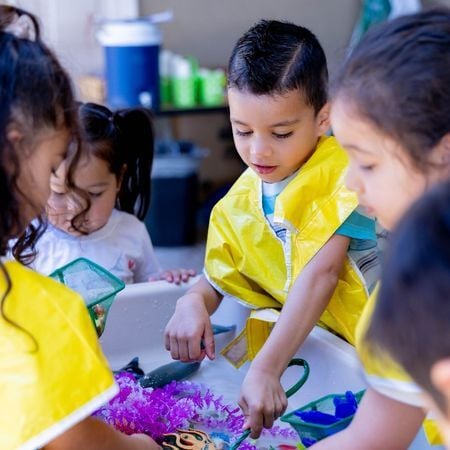 Managing emotions and handling conflicts in relationships are key parts of growing up, especially before your child enters kindergarten.
Learning to follow directions and routines, and to share with other children, are also things that kindergartners are expected to do.
At home, a toddler’s or child’s social-emotional development is built through everyday interactions with caring adults. The most important thing that parents and caregivers can do is build a strong, secure connection by being present, responsive, and consistent.
According to a 2024 report in the National Library of Medicine, approximately 20% of young children show significant social-emotional challenges at the start of school.
“Today’s families are often balancing many demands, and the stress and changes in routine are known to be impactful to children,” Kathy Medina, the Inclusion Manager at Options for Learning, shared.
Because of this, creating opportunities for children to build social-emotional skills at home can help them feel more prepared for kindergarten and other new experiences.
Ways you can support social-emotional development at home
Spending just 10-15 minutes each day working on social-emotional skills with your child will strengthen their emotional growth – and your relationship with them! Here are some suggestions:
-
Creating predictable routines and communicating them to your child
-
Notifying your child of any changes in their routine (e.g., doctors' appointments or upcoming events)
-
Naming and validating their emotions
-
Modeling healthy coping skills
-
Reading books about feelings (e.g., The Color Monster)
-
Encouraging play
-
Giving them opportunities to practice problem-solving and social skills
-
Celebrating efforts and persistence rather than focusing on outcomes
How a preschool program can help
Are you busy with work but want your child to work on their independence and social-emotional skills before starting kindergarten? A preschool program or TK-age support program may be the right fit for you!
Options for Learning offers affordable or free preschool and TK-age programs for children ages 3-5 that help children build important academic, social, and emotional skills before kindergarten.
Our goal at Options for Learning is to help children become confident, creative thinkers who are well-prepared for both school and life.
If you are interested in learning more about what Options for Learning offers, feel free to explore our preschool programs on our website. We’d love to support your family along the way.
