Dropping your child off at a new toddler care program can bring up a lot of emotions.
You want your toddler to learn, but above all, you want to know they are safe, supported, and cared for throughout the day.
For the past 45 years, Options for Learning has partnered with families across the San Gabriel Valley to help children learn, grow, and thrive in nurturing early learning environments.
Whether you’re worried about their daily routine or how caregivers will respond when your child needs extra support, understanding what to expect can help you feel more confident about your child care decision.
In this article, you will learn about some common worries that parents have about toddler care programs, including:
1. How will my child’s needs be met?
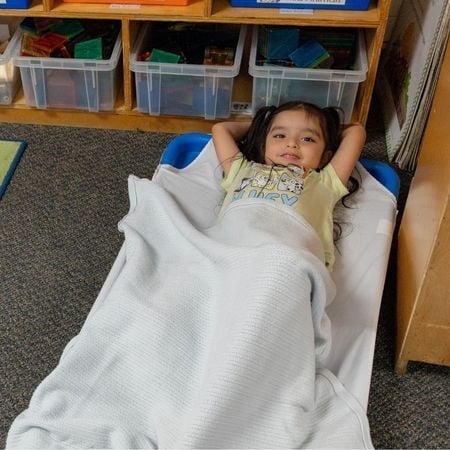
Your child’s home routine may be something that both you and your child rely on to get through the day. Maybe it’s making sure that they take multiple naps during the day and eat at a specific time.
A quality toddler care program works in partnership with families to help children experience consistency between home and the classroom whenever possible.
While every program is different, a typical toddler classroom schedule may include:
-
Arrival and morning welcome
-
Breakfast or snack
-
Free play and exploration
-
Outdoor play
-
Circle time, music, or movement activities
-
Lunch
-
Nap or rest time
-
Afternoon snack
-
Story time or small-group learning activities
-
Pick-up
While schedules vary by program and by each child’s needs, predictable routines can help toddlers feel more secure as they learn what to expect throughout the day. Consistent routines for meals, rest, play, and learning also help support smoother transitions between home and the classroom.
Cynthia Rodriguez, the Program Supervisor of Resource and Referrals at Options for Learning, shared that many parents she has previously spoken to had concerns about how their child’s basic needs would be met, including whether they would be fed and would nap.
Ultimately, a quality toddler program should help families feel confident that their child’s individual needs will be understood and supported.
2. What if my child isn’t ready to be away from me?
Starting toddler care is a big step for children and families!
Even when you know it’s the best decision for your family, it’s hard to send off your little one to a new environment where someone else is caring for them.
The bond you have with your child is important, and it’s natural to want reassurance that they are safe, supported, and well cared for.
A quality toddler care program understands that every child adjusts at their own pace and may need time to feel comfortable in a new environment. Your child’s new teachers will help ensure your child’s transition is as smooth as possible.
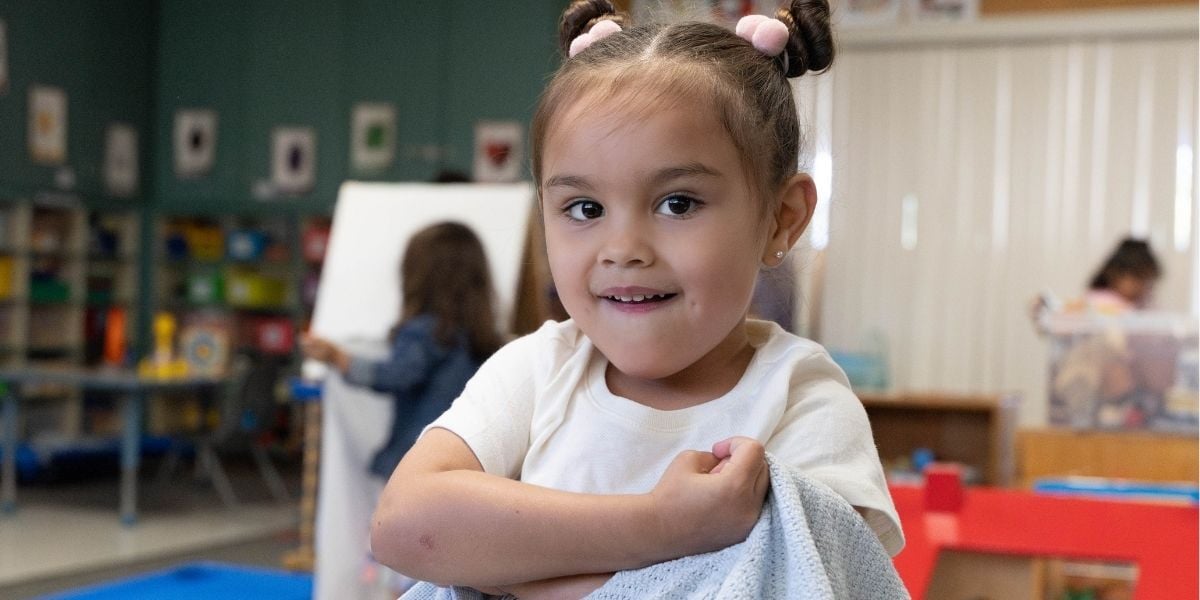
Teachers help children feel secure by allowing them to bring a familiar item from home, such as a picture of their family, their favorite blanket, or a favorite stuffed animal.
Monica Velasquez, a preschool teacher at Options for Learning, explained that a child being upset is just “part of the process.”
“It’s to be expected, and that’s how we just find ways to help them feel comfortable when they’re ready,” she said. “Some kids are even scared to sit at a table and eat with other kids because they’re not used to it. So we just try to pace it at their level.”
3. How will a toddler care program respond to challenging behaviors?
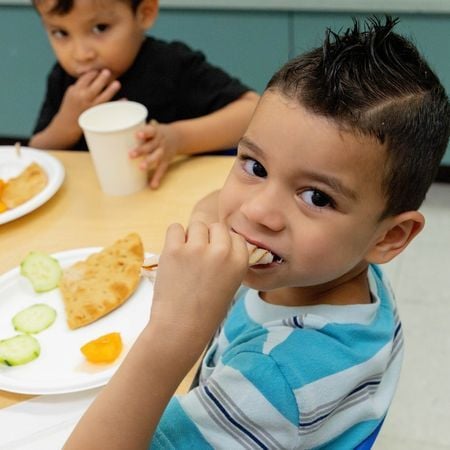 It can be stressful to think about how caregivers will respond if your child has a tantrum, refuses to follow directions, struggles with sharing, or becomes upset during the day.
These behaviors are common and age-appropriate during the toddler years, and teachers are ready to gently guide children. Quality toddler care programs also support children in continuing to develop important social-emotional skills.
In our toddler classrooms at Options for Learning, one of the most common challenges we see in toddlers is difficulty managing big emotions.
At this age, children are still learning how to communicate their needs, manage their feelings, and build independence.
To help guide and teach children, a quality toddler program often uses guidance, redirection, consistent routines, and a safe environment to support children as they learn new skills.
Having a trusted provider who partners with families to address these behaviors can help children build skills that support them at home and in the classroom.
Some helpful tips when it comes to partnering with your child care provider include:
-
Talking with them about changes in your child’s behavior and any concerns you have
-
Offering your opinion and asking questions
-
Finding out the behaviors your provider is seeing when you are not there
-
Trying to identify the cause of the behavior together
-
Working together to create a plan to address the behavior with consistent strategies
4. Will my child get enough attention?
Whether you choose a center-based program, family child care provider, or nanny, it’s natural to wonder whether your child will receive enough individual attention. In a quality toddler care program, caregivers take the time to get to know each child and support their unique needs and interests.
“They are their individual selves, so we treat the children as individuals and provide that positive climate and that relationship building,” Carmen Estrada, an education supervisor at Options for Learning, explained.
When it comes to learning, caregivers try to individualize every activity, even play, to make it applicable to the child. For example, if a child loves to play house, let them explore and pretend-shop to help them build number skills at a young age.
5. How do I know my child is learning and growing?
 Many parents worry that a toddler care program is simply watching children throughout the day. When toddlers are playing with blocks, exploring sensory materials, singing songs, or spending time outdoors, it can be difficult to see all the learning that is taking place.
The reality is that toddlers learn through everyday experiences. Quality toddler care programs intentionally use play, routines, and interactions with caregivers and peers to support children's development.
Throughout the day, toddlers are building important skills such as:
-
Communication and language development
-
Problem-solving skills
-
Independence
-
Social skills, such as sharing and taking turns
-
Emotional regulation
-
Fine and gross motor skills
Daily routines also provide valuable learning opportunities. Whether children are washing their hands, cleaning up toys, eating meals, or transitioning between activities, they are practicing skills that help them gain confidence and independence.
When evaluating a toddler care program, don't be afraid to ask how children learn throughout the day. A quality program should explain how everyday activities support children's growth and development while making learning engaging, meaningful, and fun.
What should you do next?
Every family has different priorities when it comes to toddler care. Some parents may be ready to start exploring programs, while others may still be comparing their options or deciding what type of care is the best fit.
Consider taking one of the following next steps:
-
Schedule visits with local programs to see how caregivers interact with children and learn more about daily routines
-
Create a list of questions you want to ask providers about safety, communication, learning, and daily care needs
For a complete overview of your toddler care options, read our Complete Guide of Toddler Care Options.
