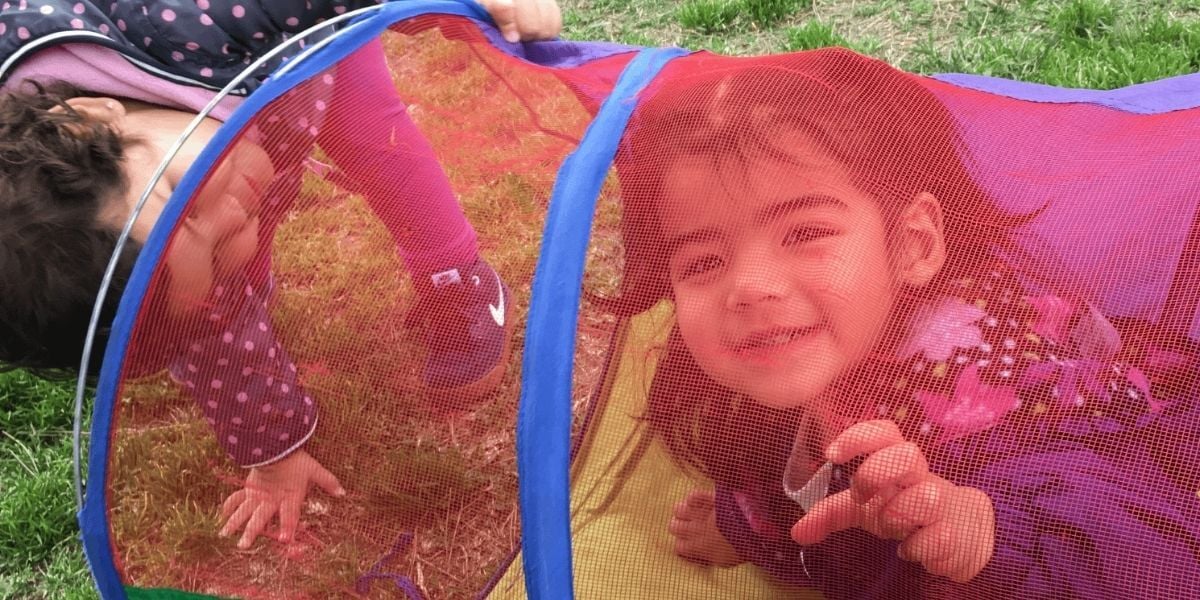
While there are many options for toddler care, one thing remains true for every parent: finding a quality program that meets their child’s needs can feel overwhelming.
Toddler care refers to early learning support for young children (typically ages 1-3) in a supervised environment outside the home or provided by another caregiver.
The options for toddler care include: center-based child care, family child care, family, friend, and neighbor care, nannies, and the Early Head Start program.
But, you may still be asking: “What does a quality toddler care program even consist of?”
A quality toddler care program does much more than supervise children throughout the day. The best programs provide nurturing relationships, opportunities for learning and exploration, consistent routines, and support that helps children build confidence as they grow and develop.
For more than four decades, Options for Learning has been helping families in the San Gabriel Valley find the best, quality toddler programs that support each child’s needs.
In this article, you will learn what to look for in your search for a quality toddler care program, including:
Warm and responsive caregivers
Think back to when you were a child going to school or a child care program for the first time. You most likely can’t remember your toddler years, but most of us have a favorite teacher or educator that we’ll never forget.
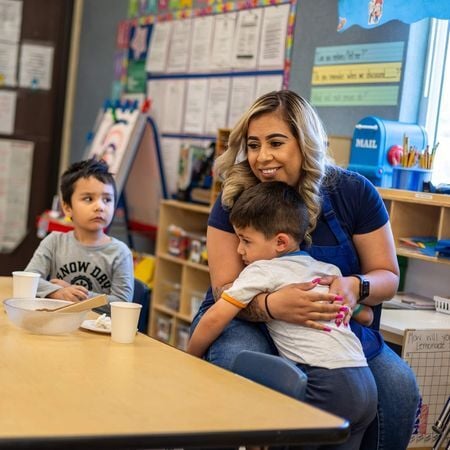
Having a supportive and kind caregiver for your little one should be at the top of your toddler care must-have list.
Research shows that warm and nurturing interactions are directly linked to children’s social competence and future academic success (PennState Extension).
Consequently, positive caregiving is the strongest predictor of quality for young children in child care settings.
Caregivers and teachers help children feel safe and supported through consistent routines, positive relationships, and responsive care, making it easier for them to adjust to being in another person’s care.
If a child is crying and upset after being separated from their parents, a caregiver should support the child and provide a safe, private space to help them process their emotions.
Monica Velasquez, preschool teacher at Options for Learning, shares that teachers have to “find ways to help children feel comfortable.”
“Some children are afraid to just sit at a table and eat with other children because they’re not used to it, so we just try to pace at their level,” says Monica. “If they want to just sit on the side and observe, that’s fine.”
While the teacher or caregiver is ultimately responsible for understanding what the child needs, they are also responsible for making the parent feel comfortable leaving their child in their care.
Parents can often identify warm and responsive caregivers by observing how they interact with children and families. Caregivers should be welcoming, responsive to children’s needs, communicate openly with families, and help children feel safe and supported as they adjust to the environment.
Teachers should also keep families informed about their child’s daily routine, communicate any schedule changes, and partner with parents to support individual needs, whether that’s encouraging a child to stay hydrated, eat meals, or follow a specific routine.
Safe and engaging learning environment
While having a warm and nurturing caregiver contributes to a positive toddler care experience, having a welcoming environment is equally important.
Signs of a welcoming environment may include:
-
Clean and organized learning spaces
-
Age-appropriate toys and materials
-
Areas for exploration and play
-
Predictable daily routines
In a welcoming environment, families may also notice teachers greeting children by name, displaying children’s work, and creating spaces where children feel safe, included, and supported.
Cynthia Rodriguez, program supervisor with the Resource and Referral Department, explained that an important factor in making a child feel safe in a child care environment is having toddler-sized furniture. “Toddlers aren’t quite preschoolers yet, so they don’t fit into generic furniture for children," she explains. They’re also not babies anymore, so they don’t want to be in high chairs. They want that freedom.”
Cynthia notes that “something that both family child care providers and centers really highlight is child-sized furniture that they can manipulate.”
“They can get in, get out of it on their own to really build up that autonomy that they’re trying to master at that point,” she said. “Items should be represented in their world and in their size.”
Aside from toddler-sized furniture, the toddler care space should also be an open environment where the child can explore, with time for both large- and small-group play.
There should be an environment where they’re allowed to experiment, and the materials are freely available to them. The adults there are merely there to facilitate their learning.
Consistent structure and routine

Another important quality of a good toddler program is a consistent routine that both children and families are aware of.
According to a 2023 study published in the Journal of Family Theory & Review, children who had set bedtimes, family meals, and daily chores tended to have better cognitive skills, emotional regulation, and school performance.
The study also revealed that routines and structure are especially powerful for children growing up in stressful or high-risk environments.
Having consistent schedules in a toddler care program for meals, play, rest, and learning time helps toddlers understand what comes next in their day, which can help them feel more secure and confident in their environment.
Having repeated opportunities also helps children practice important skills such as following directions, communicating their needs, and transitioning between activities.
For children — and parents — to develop a sense of safety, they need to know what to expect!
Flexible care that meets your family’s needs
One important factor when choosing the best fit for a toddler care program for your little one is finding which program’s affordability, hours, and location work best.
Cynthia encourages families to focus on programs “where families can come in at the best time that meets their needs.”
“So with toddler care, I don’t think we can say, ‘Oh, start time is at 7 in the morning, and we’re done at 4:30,’” she says. “There has to be that flexibility of individualized care, and to have a program that meets the needs of a toddler.”
When comparing toddler care programs, families should consider whether the program’s hours fit their schedule and meet their child’s individual needs.
Some questions to ask when it comes to how well a program fits your daily routines and circumstances are:
-
What are the program’s hours of operation?
-
Is full-time and part-time care available?
-
What are the policies for late pick-up, absences, or schedule changes?
-
Does the program accept financial assistance programs for child care?
-
What is the tuition and additional fees?
-
Is the location convenient for my family?
-
Is transportation needed, and if so, available?
Not sure which type of toddler care is right for your family?
From center-based programs and family child care to nannies and Early Head Start, there are many options to choose from. Understanding the differences can help you find the best fit for your child’s needs and your family’s schedule.
Remember that no single toddler care program is right for every family. The perfect choice is one that provides a safe, nurturing environment while meeting your child’s unique needs and your family’s daily routine.
