
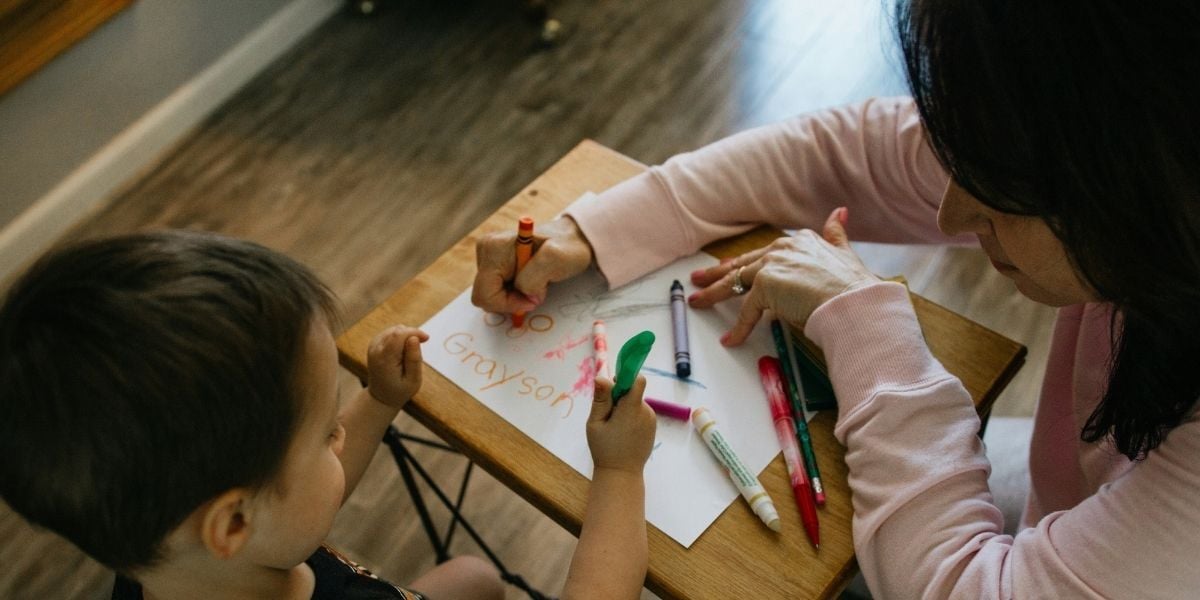
Your child brought home another cough, and it’s barely November. Before one illness is gone, it can feel like another runny nose, sore throat, or cold is already on the way.
Although Southern California doesn’t typically get as cold as other places in the world, cold and flu season still begins in the fall and continues through the winter.
Children often get sick more frequently during cold and flu season because their immune systems are still learning how to fight off common viruses. Germs spread especially quickly in childcare settings, schools, and other places where children spend time together.
Each year, Options for Learning works with more than 11,000 children and families, giving educators and health staff firsthand experience supporting children through common illnesses, healthy habits, and seasonal health concerns.
Keep reading on to learn more about:
-
Tips to keep your child healthy during cold and flu season, including:
Tips to keep your child healthy during cold and flu season
1. Wash your hands regularly
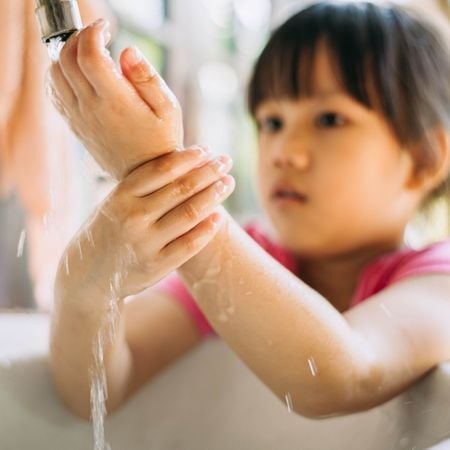 It may seem simple, but having your child wash their hands regularly is an effective way to prevent the spread of germs.
In fact, handwashing with soap could protect about 1 in 5 young children from respiratory infections.
Children should wash their hands:
-
Before eating or handling food
-
Before water play
-
After having a diaper change
-
After using the toilet
-
After playing outdoors or in the sand
-
After playing with pets or animals
-
After blowing their nose
-
After coming home from school or childcare
A good handwashing routine includes:
-
Wetting your hands under running water
-
Applying soap
-
Scrubbing your hands with soap for at least 20 seconds
-
Rinsing your hands under running water for a count of five
-
Drying your hands with a clean towel
Parents can help young children remember these steps by washing their hands together or singing a short song. For example, singing the “Happy Birthday” song twice is a simple way to make sure children scrub their hands for at least 20 seconds.
2. Stay up to date on the flu shot
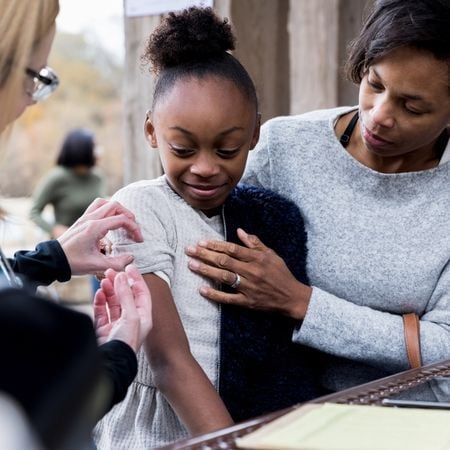
The best way to prevent the flu is through a yearly flu vaccine, which is usually given as a shot in the thigh muscle for babies and young children and given as a shot in the upper arm muscle for older children. (The vaccine is also available as a nasal spray for healthy children over the age of 2.)
In a 2026 study, researchers found that for every 100 children between the ages of 2 and 5 who receive the vaccine in a given flu season, there are between nine and 14 fewer cases of the flu in that age group.
To schedule a flu vaccine, talk to your child’s pediatrician for more details. You can also find vaccine information through the Los Angeles County Department of Public Health or search for free and low-cost vaccination clinics throughout the county.
3. Teach healthy cough and sneeze habits
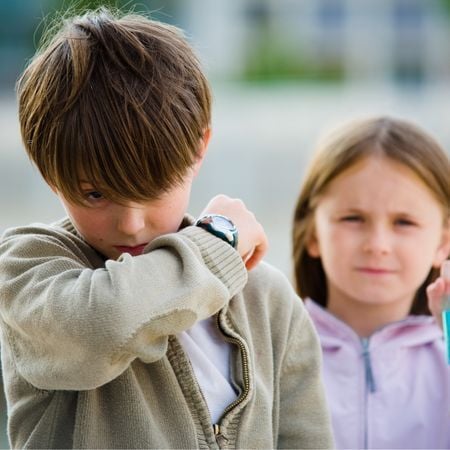 Coughing and sneezing are among the easiest ways colds and the flu spread.
Instead of sneezing or coughing in their hands, encourage your child to cover their cough or sneeze with the inside of their elbow.
Doing so can help reduce the spread of germs because children are less likely to touch shared toys, surfaces, and other people with their elbows than with their hands.
Additionally, encourage your children to use a tissue and throw it away after they blow their nose, and then wash their hands.
The best way to help children build healthy habits is to model them yourself. When children see adults regularly covering coughs, sneezing into their elbows, and washing their hands, they are more likely to do the same.
4. Prioritize sleep
Getting enough sleep each night supports children’s overall health and helps their bodies fight illness.
Sleep helps support the immune system, giving your child’s body the time it needs to fight germs and recover from everyday exposure to viruses and bacteria.
The National Sleep Foundation recommends different amounts of sleep and recommended bedtimes for children.
|
Age |
Recommended Amount of Total Sleep |
Recommended Bedtime |
|
Toddler (1-2 years) |
11 to 14 hours (including naps) |
6:00-7:30 p.m. |
|
Preschooler (3-5 years) |
10 to 13 hours (including naps) |
7:00-8:30 p.m. |
|
School-age kids (6-13 years) |
9 to 11 hours each night |
7:15-9:00 p.m. |
|
Teen (13-18 years) |
8 to 10 hours each night |
N/A |
5. Provide healthy meals and plenty of water
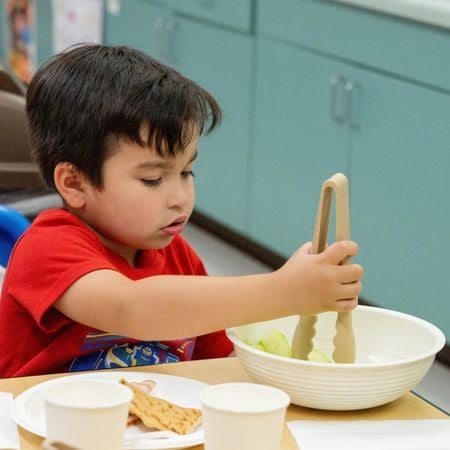 Providing your child with healthy meals and enough water goes a long way in supporting your child’s overall health and well-being.
Healthy eating has many benefits for children, including:
-
Keeping skin, teeth, and eyes healthy
-
Supporting muscles
-
Helping achieve and maintain a healthy weight
-
Strengthening bones
-
Supporting brain development
-
Supporting healthy growth
-
Boosting immunity
-
Helping the digestive system function
While daily nutrition needs differ based on your child’s age and other factors, children should have a mix of protein, fruits, vegetables, grains, and dairy.
Kimberly Goodman, the Director of Nutrition Programs at Options for Learning, shared that families can support healthy nutrition by:
-
Offering a variety of fruits and vegetables
-
Serving balanced meals and snacks throughout the day
-
Encouraging children to drink water regularly
-
Eating meals together when possible
-
Involving children in age-appropriate meal preparation activities
6. Keep your child home when they are sick
To help prevent the spread of illness, children should stay home from childcare and school when they are sick until their symptoms improve. At Options for Learning, families may be asked to meet specific return-to-care criteria, such as providing a doctor’s note or confirming that symptoms have resolved, before a child returns to the program.
While missing school or childcare can be inconvenient, keeping sick children home allows children the time they need to recover, rest, and return feeling their best.
Importantly, it also helps reduce the spread of germs, supports the health of the entire learning community, and helps protect immunocompromised children.
When should you contact a healthcare provider?
While many colds and cases of the flu improve within one to 10 days, if symptoms persist or worsen, it is recommended to seek medical care from your pediatrician.
Contact your pediatrician if your child has:
-
A fever of 100.4 degrees or higher
-
Symptoms that last more than 10 days
-
Symptoms that don’t get better after taking over-the-counter medication
-
Asthma or other chronic illnesses
-
Trouble drinking or will not drink liquids
-
Not peeing at least every eight hours
-
Any other symptoms you think are severe or concerning
Seek emergency medical care or call 911 if your child:
-
Has trouble breathing or is breathing very rapidly
-
Has bluish lips or face
-
Is difficult to wake up or unusually unresponsive
Support your child’s health all year long
Helping children stay healthy during cold and flu season is just one part of supporting their overall well-being.
While it may not be possible to prevent every illness, healthy habits such as handwashing, vaccinations, quality sleep, nutritious meals, and staying home when sick can help reduce the spread of germs and support your child’s health.
Now that you know how to help keep your child healthy during cold and flu season, your next step is creating routines that support your child’s health, development, and learning all year long.
Explore more family wellness resources from Options for Learning, including articles on common fall preschool illnesses and what you should do if your child is a picky eater.
Frequently asked questions
When can my child go back to childcare after the flu?
Children can typically return to childcare when they are feeling well enough to participate in normal activities, their symptoms are improving, and they have been fever-free for at least 24 hours without fever-reducing medication. Families should also follow any return-to-care requirements established by their childcare program or health care provider.
How can I tell the difference between a cold and the flu?
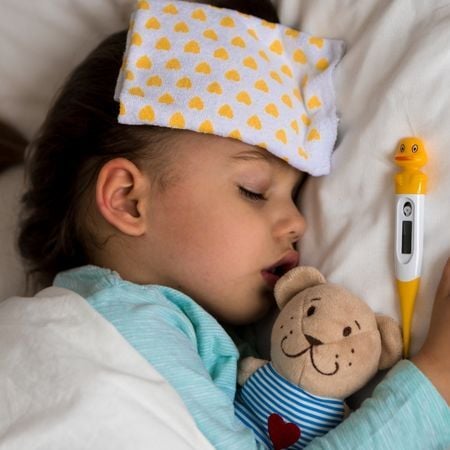
Colds often develop gradually and may include a runny nose, congestion, and mild symptoms. Flu symptoms tend to appear more suddenly and may include fever, body aches, fatigue, and chills. If you have concerns about your child’s symptoms, contact your health care provider.
How can I help my child feel more comfortable when they’re sick?
Offer plenty of rest, fluids, nutritious foods, and comfort measures recommended by your child’s health care provider. Extra cuddles, books, and quiet activities can also help children feel supported while they recover.
