Potty training is a huge milestone for children on their path to developing independence – and a bonus is no more dirty diapers!
However, it can be challenging to introduce potty training to your child and to know the right time and the best way to get started.
One of the most frequent questions the Parent Coaches at Options for Learning receive is about potty training and how to know when your child is ready.
Options for Learning, a nonprofit that offers early learning programs and resources for families in the San Gabriel Valley, including providing enrolled families with a Parent Coach to help them navigate child development challenges such as potty training.
Parent Coach support is available through referrals from members of a family’s support team, including teachers, education supervisors, family advocates, inclusion coordinators, and classroom behavior coordinators.
Parent Coaches provide families with free guidance, support, and tools to help parents feel more confident in their parenting journey. Drawing from years of experience supporting children and families in early learning programs, Parent Coaches share practical strategies tailored to each family’s needs.
Below, we detail some common readiness signs that your child is ready to start potty training:
1. Your child is starting to show interest in the toilet
Are you starting to notice that your child keeps following you or a sibling into the bathroom and asking questions? This could be a sign that they might be ready to start potty training!
Through seeing objects like the toilet handle, the sink, and toilet paper, children may begin to develop curiosity about using the bathroom.
There are some simple things you can do to help introduce them to using the bathroom if they follow you in or ask questions, including:
-
Letting them watch you use the toilet and walking them through the process
-
Talking about each item in the bathroom and what it does
-
Giving them a tour of your bathroom at home so they feel more comfortable
-
Reading books about the bathroom
-
P is for Potty! by Naomi Kelinberg
-
Potty by Leslie Patricelli
-
Ready to Go: Pee by Lovevery Books
-
Pottysaurus by Little Hippo Books
-
If your child avoids the bathroom, becomes upset when the toilet is mentioned, or shows little interest in bathroom routines, it may be a sign that your child needs more time before beginning potty training.
2. Your child is starting to recognize when they need to go
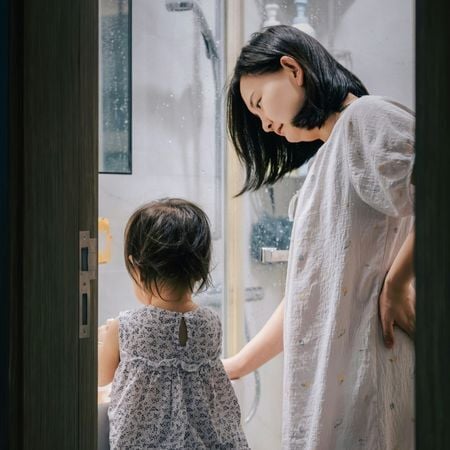 Children usually show signs of bladder and bowel control between the ages of 18 and 24 months. However, to get started with potty training, they need to learn to recognize when their bodies signal that it’s time to pee or poop.
You may start to see your child develop physical cues or facial expressions that signal they need to use the bathroom. For example, if your child has the urge to poop, you might notice them grunting, squatting, squeezing, or their faces turning red. Try explaining to them what those actions mean and let them ask questions.
You can use simple phrases and questions such as:
-
“It looks like your body is telling you that you need to go potty.”
-
“Do you feel like you need to pee or poop?”
-
“Your face is turning red. Do you think your body is telling you it’s time to use the bathroom?”
-
“Let’s pay attention to what your body is telling you.”
-
“Do you want to try sitting on the toilet?”
Aside from physical or emotional cues, your child might have developed bladder and bowel control when they start pointing to their wet diaper, using words like “pee” and “poo,” or asking for a fresh diaper right after going to the bathroom.
3. Your child is staying dry for longer periods of time
Another sign that your child’s bladder and bowel control are developing and that they may be ready to begin potty training is staying dry for at least 2 hours or waking up dry from a nap.
After they do keep a dry diaper, try to use positive words or phrases to make them feel celebrated and help them build their confidence, such as:
-
“I am so proud of you for keeping your diaper dry! It feels so nice and comfortable when it is dry.”
-
“Look at that! A whole afternoon with a dry diaper. Your body is doing such a great job!”
-
“You stayed dry all through your nap! You are growing into such a big kid!”
4. Your child knows how to follow simple directions
Whether they are learning them at school or at home, following simple routines is an important part of a child’s social-emotional development.
Following directions is one of the first signs that your child understands and processes language.
While different children develop at different paces, a general timeline for understanding and following directions is:
-
By 12 months, having the ability to look at named objects, respond to their name, and follow simple gestures
-
By 18 months, having the ability to follow simple one-step directions, understanding basic commands, and responding to familiar requests without gestures
-
Examples: “Bring me the ball,” “Sit down,” or “Come here”
-
-
By 24 months, having the ability to understand and follow two-step directions, completing basic tasks with verbal prompts, and beginning to understand positional words
-
Examples: “Pick up your shoes and put them by the door” or “Get your cup and bring it to me”
-
-
By 3 years old, having the ability to follow directions with two to three steps in sequence, understanding more complex concepts like size and location, and responding to “who,” “what,” and “where” questions
-
Examples: “Wash your hands, throw away the paper towel, and come sit at the table” or “Put your book on the shelf and then grab your backpack”
-
Once your child starts recognizing short phrases and words, the potty training process will be easier for them, especially with tasks like pulling their pants up and down, flushing the toilet, and washing their hands.
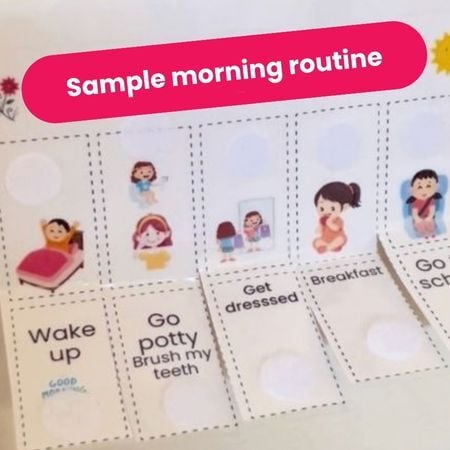
Parent Coach tip: Options for Learning. Parent Coaches use visual charts with simple, step-by-step routines to help develop children’s ability to follow directions.
For example, the first step could be showing them a picture of someone pulling their pants down. Just showing them the image can be helpful to children, as they may not have all the language or vocabulary to describe what is happening.
5. You notice your child wants to become more independent
Parents might realize their child is ready to start potty training when they notice their child wants to do more things on their own.
It could be wanting to dress themselves, play independently, or even saying “no” more, but these could all be signs that your child is becoming more emotionally ready.
One way to encourage greater independence is to have them engage in independent play.
“Not being protected and directed, supervised by adults, is where children learn how to take charge of their own lives. It’s where they learn how to solve problems,” psychologist Peter Gray shared.
What should you do next?
 While no child will show every readiness sign at the same time, if you do start to notice any of the above readiness skills, you can slowly start introducing potty training to them in a low-pressure way.
Parent Coach tip: The Parent Coaches at Options for Learning encourage parents to start by reading to children about potty training and then creating simple visual schedules with a bathroom routine for them to follow when they need to go.
If you’re feeling unsure about whether your child is ready for potty training, consider speaking with your child’s pediatrician, teacher, or another trusted child development professional. They can help you determine whether your child is showing signs of readiness and offer guidance that fits your family’s needs.
Potty training is just one of many developmental milestones young children experience. As your child grows, social-emotional skills such as following routines, expressing emotions, and building independence also play an important role in growing up.
Read our article on how to support your toddler’s social-emotional development at home for simple strategies you can incorporate in daily routines.
Frequently asked questions
What if my child is not showing any signs of readiness yet?
Every child develops at their own pace. If your child is not showing signs of readiness, that’s okay. Continue offering opportunities to learn about the bathroom through books, conversations, and daily routines.
At what age should a child start potty training?
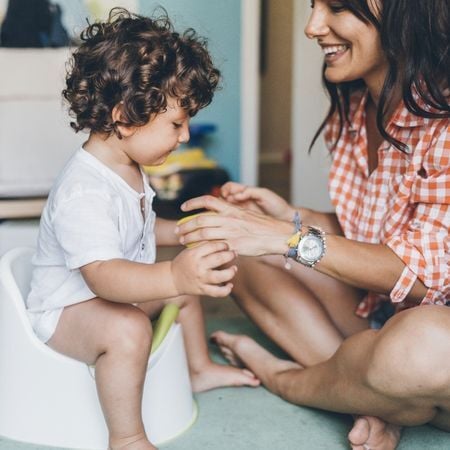
There is no single “right” age to begin potty training. Instead of focusing on age, look for signs of readiness, such as interest in using the toilet, staying dry for longer periods, following simple directions, and developing independence. Children are often more successful when toilet learning begins at a pace that matches their development.
Should I wait until my child asks to use the toilet?
Not necessarily. Some children verbally ask to use the toilet, while others show readiness in different ways. Signs such as wanting to sit on the toilet, staying dry for longer periods, telling you when their diaper is wet, or showing interest in bathroom routines can all indicate your child may be ready to begin toilet learning.
