If you’re a parent, you’ve probably wondered whether you’re doing enough to help your child learn, grow, and get ready for school. With so much information out there, it can feel hard to pinpoint what really matters.
Children’s early learning experiences help them build both academic, social, and emotional skills that will stick with them throughout their lives.
Early learning programs help children expand their learning and development, equipping them to succeed in school and beyond.
There are several different types of early learning programs, including infant and toddler care, preschool, and transitional kindergarten (TK). All of these programs focus on your child’s development and well-being and build social-emotional, language, and problem-solving skills, among others.
For more than 45 years, Options for Learning has served 11,000 children and families annually throughout the San Gabriel Valley with early learning programs and by promoting the importance of early childhood education.
Keep reading below to learn more about:
-
The different types of early learning programs
-
What children typically learn in early learning programs
What does “early learning” mean?
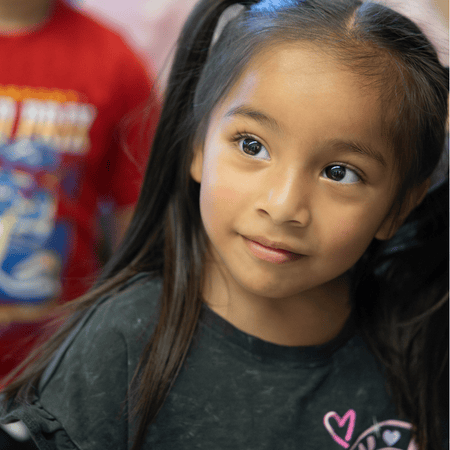 You may not remember what you learned in preschool, but the lessons still stick with you whether you realize it or not.
Early learning refers to the skills and concepts that children develop before they reach kindergarten.
Monica Velasquez, a preschool teacher at Options for Learning, shared that “every child is a learner” and that children “already start learning from birth.”
In the first few years of life, children begin to develop independence, learn to control their emotions, and to build relationships with others.
Several studies show that supporting children’s early learning can lead to:
-
Higher test scores from preschool to age 21
-
Better grades in reading and math
-
Better chance of staying in school and going to college
-
Improved mental health
To build these skills, early learning programs – such as preschool, transitional kindergarten (TK), and nonprofit programs, including Options for Learning – support children’s development throughout the first five years of their lives.
What types of early learning programs are available?
Infant and toddler care
Infant and toddler care and early learning programs serve children from birth to age 3, typically in a supervised environment outside the home or through another caregiver.
While programs differ in curriculum and beliefs, Options for Learning’s infant and toddler care programs focus specifically on:
-
Developing early communication skills through talking, reading, singing, and responsive interactions
-
Exploring through hands-on play
-
Building trust and secure attachments through consistent caring relationships with familiar caregivers
-
Individualized care that honors each child’s unique interests
Whether it’s in a center-based childcare facility or a home-based program, quality infant and toddler care should provide:
-
Warm and responsive caregivers
-
A safe and engaging learning environment
-
Consistent structure and routine
-
Flexible care that meets your family’s needs
Preschool
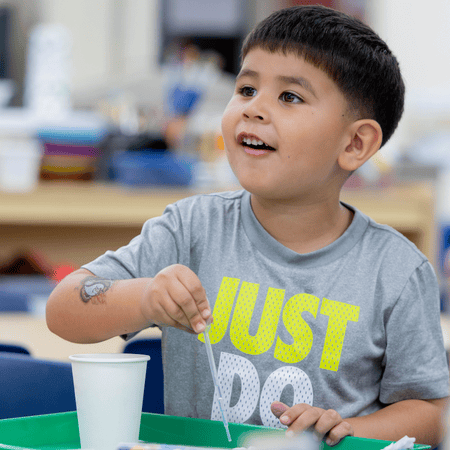 Typically serving children ages 3 to 5, preschool programs support children’s development through play, exploration, social interaction, and teacher-guided activities, helping them prepare for school.
There are also several different preschool philosophies, including:
-
Play-based
-
Montessori
-
Reggio Emilia
-
Waldorf
-
Structured play-based curricula like HighScope or The Creative Curriculum
-
Parent Cooperative
-
Faith-based
Although preschool programs vary by provider, quality programs focus on helping children build foundational academic and social skills while encouraging curiosity and discovery.
Transitional kindergarten (TK)
TK is the first year of California’s two-year public kindergarten program for 4-year-olds, serving as an early entry point into the K-12 education system. It is designed to help children become familiar with classroom routines, school environments, and foundational learning experiences before entering kindergarten.
TK programs balance instruction with exploration, allowing children to learn through activities and play. For example, painting or working with clay to develop creativity and fine motor skills, or acting out real-life scenarios to develop social skills and language development.
What do children typically learn in early learning programs?
Social-emotional skills
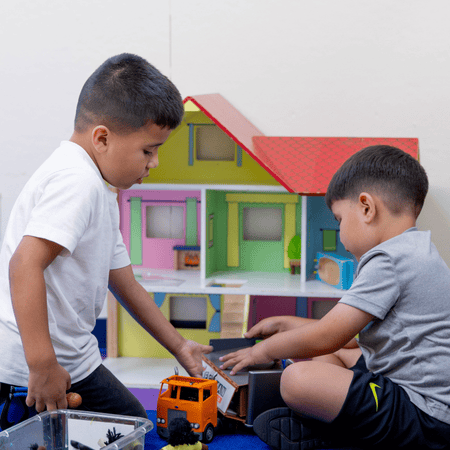 Early learning programs place a strong emphasis on building children’s social-emotional skills to support children’s mental health, relationships, and future learning.
In early learning programs, children interact with other children, learn to handle conflicts, and practice independence skills in the classroom. Some examples include:
-
Taking turns sharing materials with peers
-
Following classroom routines and expectations
-
Expressing needs, feelings, and ideas appropriately
-
Learning how to cooperate in group activities
-
Managing frustration and disappointment
-
Transitioning between activities and environments
Carmen Estrada, an Education Supervisor at Options for Learning, shared that the program’s curriculum encourages young children to learn to “be independent and to be able to use their words when they have social conflicts” so they can continue on their path to success.
“That’s where the foundation is. Through activities and group cooperation, children learn about sharing, about social conflict,” she shared. “It’s guided by the teacher, but it’s really the children trying to problem-solve.”
Language and communication skills
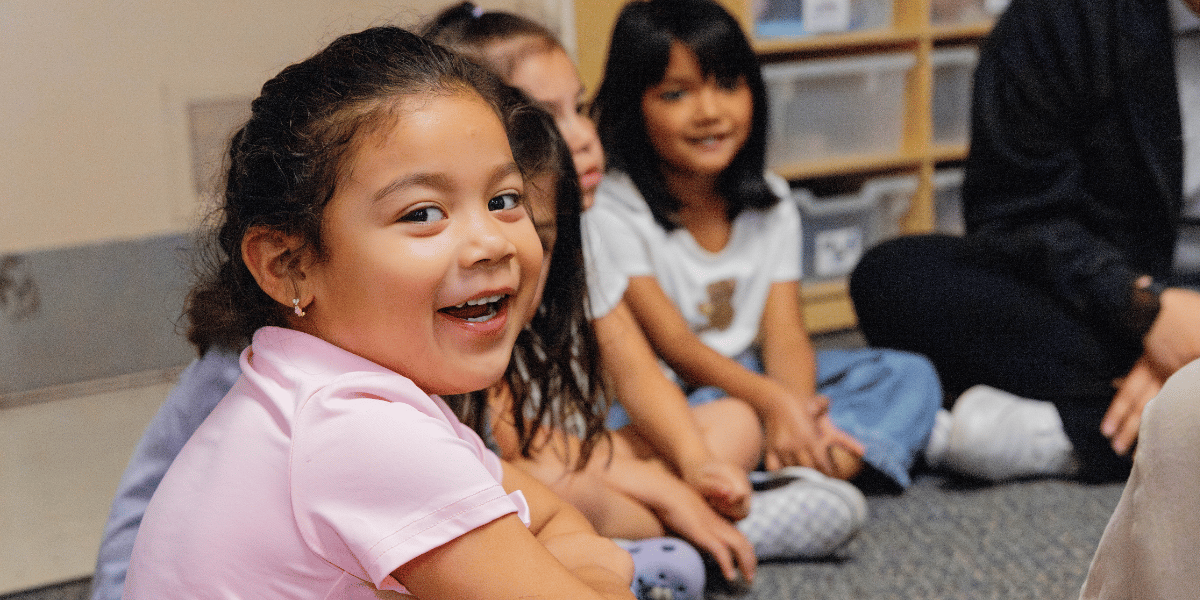
Early learning programs help grow children’s language and communication skills before they head off to kindergarten.
Irma Garcia, the Behavior Health Supervisor at Options for Learning, discussed how many young children “don’t have the language or self-control to express their needs.”
While she said “a lot of parents worry” that they don’t have these communication skills early on, early learning programs give children a place to early learning allow children to work on the self-control they need to express their needs.
Some examples include:
-
Singing songs, reciting rhymes, and engaging in group discussions
-
Asking teachers and classmates for help or information
-
Following multi-step directions during classroom activities
-
Sharing ideas and experiences during circle time
-
Using dramatic play to practice conversations and storytelling
-
Learning new words through books, play, and hands-on activities
-
Expressing wants, needs, and feelings through words
Problem-solving and critical thinking skills
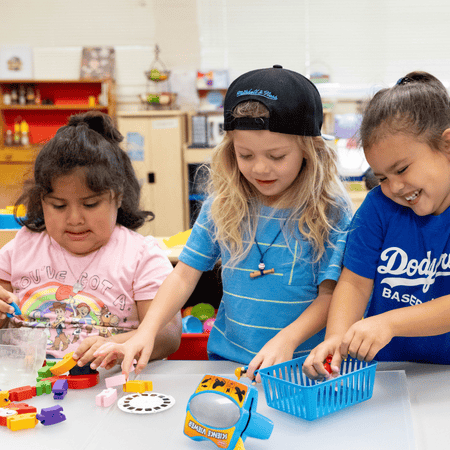
Young children are naturally curious. In early learning programs, especially when they are play-based, children learn to ask questions, explore new materials, and find solutions to problems.
Some examples include:
-
Building a block tower and figuring out how to keep it from falling over
-
Completing puzzles by identifying shapes, patterns, and relationships
-
Experimenting with water, sand, or other sensory materials to observe what happens
-
Sorting objects by color, shape, or category
-
Predicting what might happen during a science activity and discussing the results
-
Using dramatic play to solve pretend problems (e.g., running a restaurant or caring for a baby)
Monica Velasquez explained that when children are “curious and able to investigate with materials” provided in classrooms, children are constantly learning and asking questions.
Is an early learning program right for your child?
While finding the right early learning program for your child may seem overwhelming, these programs are incredibly valuable. They help build the foundational skills that your child will have with them throughout the rest of their life.
Not only do children build important skills, but early learning programs are also helpful childcare options when you are working or busy during the day.
If you are located in the San Gabriel Valley and searching for a free or low-cost, quality early learning program, Options for Learning is here to help you and your family. Programs include:
-
Infant and toddler care
-
Preschool programs
-
TK-age support
-
Before- and after-school care
-
Child care referrals
To learn more about whether Options for Learning could be the right fit for your family, connect with us to explore your options.
Frequently asked questions
What age should a child start an early learning program?
There is no one-size-fits-all answer. Some children participate in infant and toddler programs from birth, while others begin their early learning journey in preschool or transitional kindergarten. The right choice depends on your child’s needs and your family’s circumstances.
Do children need to know their letters and numbers before enrolling?
 No. Early learning programs are designed to help children build skills over time. Children do not need to arrive already knowing academic concepts because learning is part of the experience.
What is the difference between childcare and an early learning program?
While both provide care in a safe environment, early learning programs intentionally support children’s development through play-based learning, social interactions, routines, and age-appropriate educational experiences.