Since the 2021 expansion of transitional kindergarten, Californians have been torn over whether the rollout has been positive or negative.
Transitional kindergarten, commonly referred to as TK, is an optional early entry point into the public school system for 4-year-olds, where children are introduced to school routines, learning environments, and early academic concepts.
On Tuesday, September 29, EdSource reporter Betty Márquez Rosales met with a panel of educators and education experts, including Pacific Oaks College early childhood professor and Options for Learning board member Jorge Ramirez, to discuss what’s working well with TK implementation and what’s not.
Speakers also included Woodlake Unified TK teacher Elyse Doerflinger, Mayra E. Alvarez, the parent of a former TK student in San Diego Unified, and Hannah Melnick, the senior policy adviser and director of early learning policy at the Learning Policy Institute.
During the panel discussion, Ramirez touched on a couple of key topics, including the importance of play-based learning in TK and the need to foster more collaboration between TK and preschool teachers.
Keep reading to learn more about the topics Ramirez discussed, including:
Why play-based learning is essential for young children
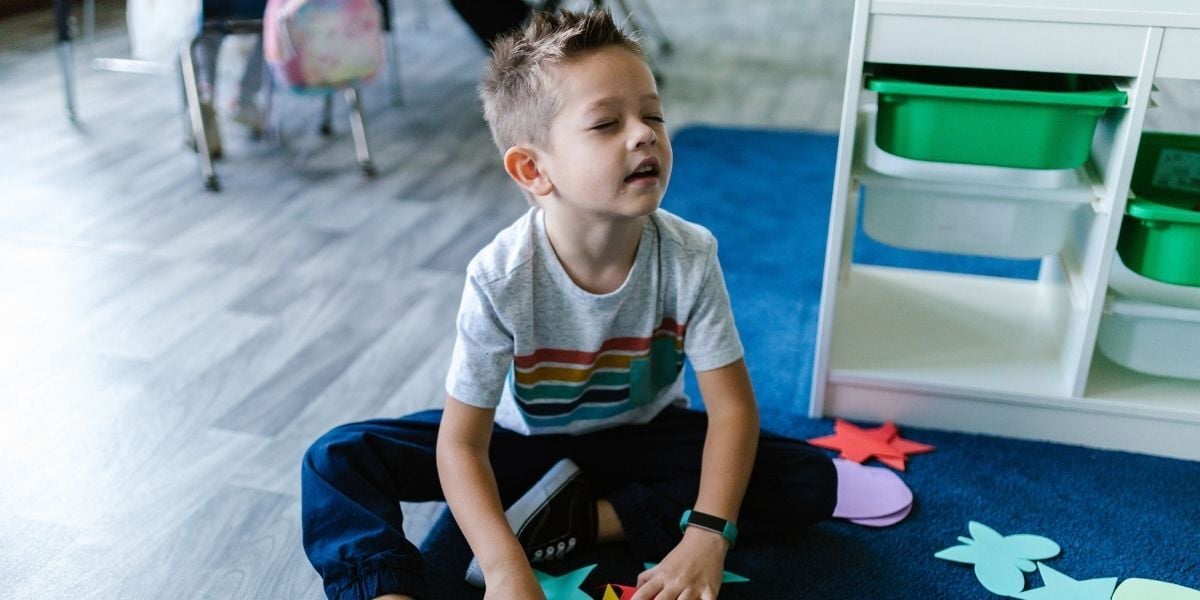
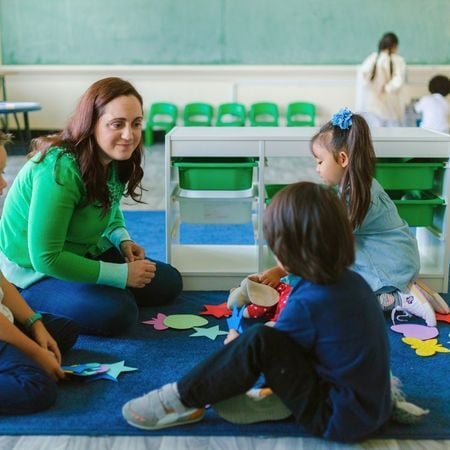 Play-based learning refers to a curriculum in which children can still learn while playing freely, with teacher guidance, or in structured games.
Since play is the primary way that young children learn, Jorge Ramirez shared that children gain so much more than just sitting down to do a worksheet.
“[Play] is more child-centered. It’s allowing children those exploratory opportunities to learn on their own,” he explained. “That’s how they build relationships with others. That’s how they’re able to pretty much express themselves without having to worry about, ‘Is this right or is it wrong?’”
In a 2022 study, guided play was shown to be more effective than direct instruction for teaching academic content to children under 8.
Throughout his 25 years as a preschool teacher, Ramirez discovered that children have more “excitement” and a “genuine interest” in exploring, which leads to long-term academic growth.
“The more opportunities that we give [children to play], the better skills and foundational skills they build that build on their long-term academic and cognitive development,” he shared.
To emphasize his belief in the importance of play-based learning, Ramirez recalled how a parent was upset about the way he was teaching their 4-year-old at the time.
“[The parent] kept telling me, ‘Every time I come in, you’re sitting on the rug, and you’re playing.’ And he emphasized the word ‘play,’ like, if it was something bad,” Ramirez said. “So I asked them, ‘What’s your concern with it?’ And he said, ‘Well, my child’s getting ready to go to kindergarten, and all you do is play.’”
As one example of regularly infusing play with learning, Ramirez explained that he often used NASCAR toy cars in his teaching because many of the children were interested in cars. But instead of just aimlessly rolling the car around, Ramirez and his students were “diving deep into the colors, the numbers, the shapes [of the cars], and all the academic skills that parents wanted them to learn.”
“There was a lot of learning going on,” he said, noting that it’s important to have an open dialogue with TK teachers and parents in helping them “understand that sometimes learning is unconventional and sometimes play is learning.”
How preschool and TK programs can work together
One major point of contention during the panel was potty training. Many parents in the live chat, as well as teachers, discussed how challenging it is that schools’ bathroom facilities are not set up for 4-year-olds, and that TK teachers and staff are not prepared to help children struggling with toileting.
One teacher wrote, “In our district, we have to send our students who need help with toileting to the nurse because we are not allowed to help them.”
Another added shared that her district had changed the job description of TK aides to include toileting, but she would “love to have appropriately sized potties” for her TK-age students.
Ramirez shared that supporting developmental milestones such as toilet learning is often part of preschool teachers’ work with children and families, and that stronger collaboration between preschool and TK teachers could help create smoother transitions for children.
“One of those things TK can really benefit from is having conversations with preschool teachers, like, ‘What did we do? What did it look like?’ Then be able to pass that information to parents,” he said. “I think it’s a great opportunity for us to build this collaboration, not just with school districts, but also with parents. It can even be a pathway of, ‘Come to preschool, we’ll get them ready for TK, and here you go, now your child’s ready.’”
Ramirez recalled that, as a preschool teacher, he would often speak with kindergarten teachers and ask how he could best prepare his children for the year ahead to ease the transition.
“We need the parents’ support in preschool to advocate for us and to say, ‘Hey, you know what, it’s not just daycare, it’s beyond that,’” he added. “We need to collaborate more with TK teachers and help them understand that these are also 4-year-olds.”
Although Ramirez says preschool teachers are sometimes seen as a “stepchild” in the back of elementary schools, they are trained and skilled teachers with extensive expertise in understanding and implementing TK programs. Preschool teachers’ expertise can help inform how to build “child-centered” programs and how to support “developing children holistically” as children transition to kindergarten.
“We need to understand that TK is different. It should not be a diluted kindergarten,” he explained. “It should not be adult-based. It should be more of a place where children get the opportunity to lead their learning.”
Why kindergarten readiness is about more than just academics
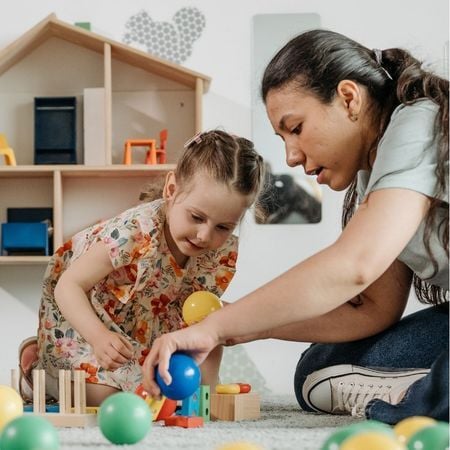 While there are no universal guidelines for determining if your child is ready for kindergarten, parents still spend a lot of time worrying about whether their child is prepared academically enough.
“We, as a society, want children to be ready, right? And when we think of being ready, we are inclined to think about just the academics,” Jorge Ramirez explained on the panel. “A lot of times we fail to recognize that there are other important milestones that need to be achieved before you get to the academics.”
Ramirez noted that when parents send children to TK, they think their children will be set for kindergarten academically, but they are still just 4-year-olds and have a lot of growing to do.
“No matter what program you put them in, 4-year-olds still need to develop these milestones, these skills that are going to help them achieve, not just up to 3rd grade, but long-term,” he said.
Success in school is largely determined by a child’s ability to:
-
Manage their emotions
-
Communicate their needs
-
Follow simple routines
-
Solve problems
-
Build positive relationships with teachers and peers
Still exploring your child’s early learning options?
Every child develops at their own pace, and the best learning environment is one that supports their unique strengths and needs. Whether you’re considering TK, preschool, or another early learning program, Options for Learning can help you understand your options and find the right fit for your child and family. Connect with an education advisor to learn about the resources available to your family.
Learn more:
-
Types of preschool explained: Which program is right for your child?
-
Preschool myths: Seven misconceptions that are holding parents back from enrollment
-
How to find the right early learning program for children with special needs
Frequently asked questions
At what age do children attend TK?
TK eligibility is determined by California's transitional kindergarten age requirements, which have expanded over time. Families should check with their local school district or review California’s current eligibility guidelines to determine whether their child qualifies.
How can I prepare my child for TK?
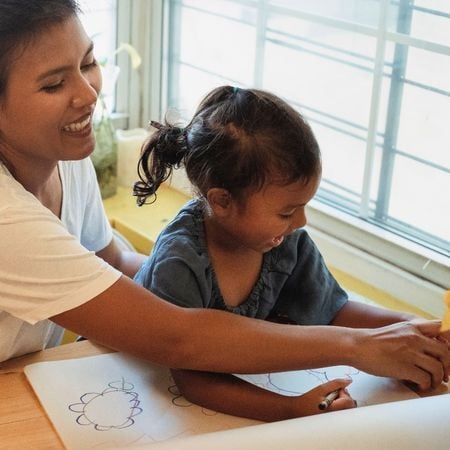 Families can support children by practicing routines, encouraging independence, reading together, and providing opportunities for play, exploration, and social interaction.
What if my child is not enrolled in a TK program?
Children can continue building important school-readiness skills through preschool, other early learning programs, and at home.
